ADVERTISEMENT

Judge Rejects Challenge To $5M-Per-Resident Reparations Fund As Premature

ADVERTISEMENT

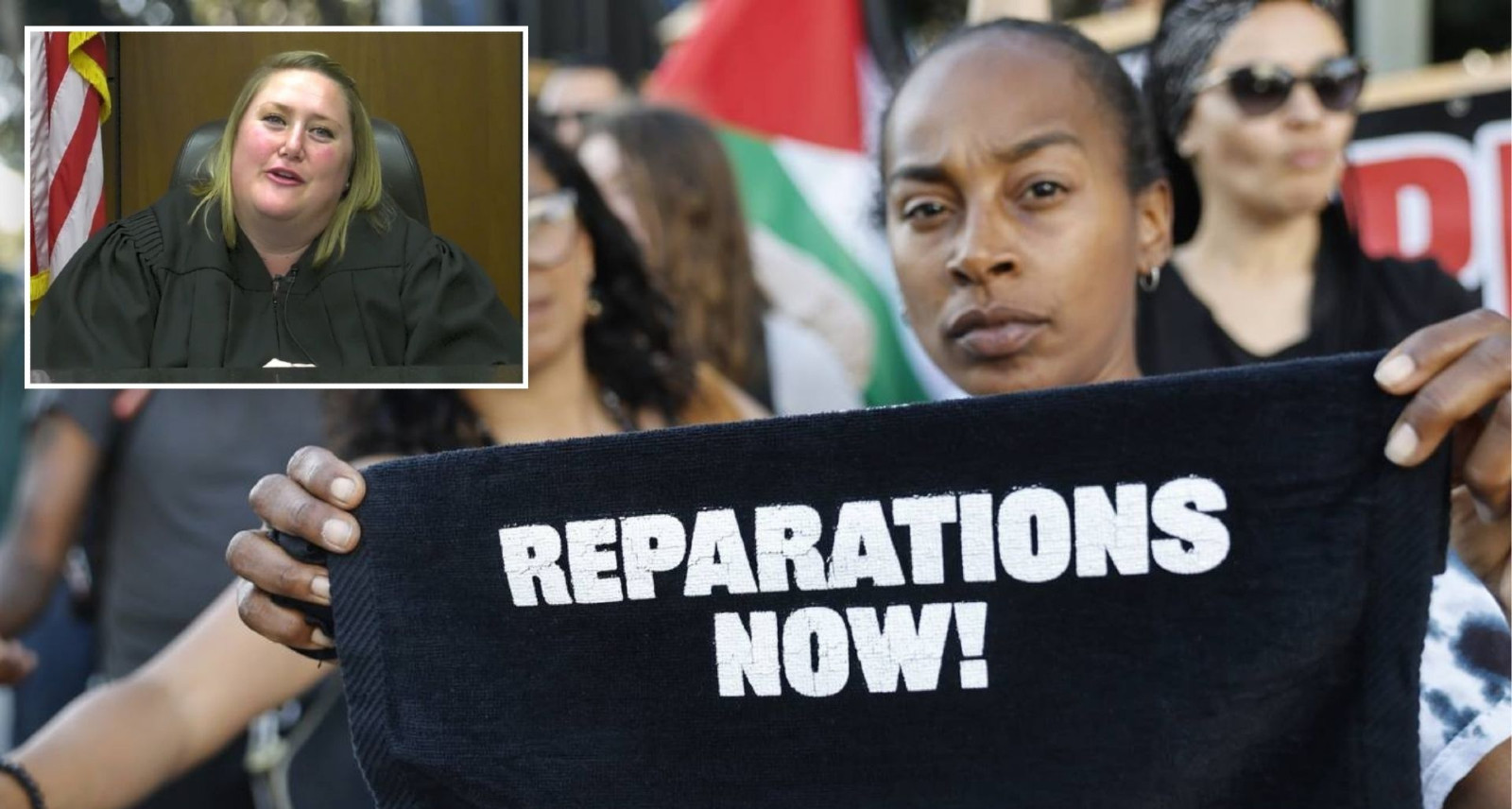
Judge Joseph Quinn of the San Francisco Superior Court said that a lawsuit against the city’s race-based reparations fund is too early and upheld a demurrer against the suit.

A demurrer is an objection that says the evidence presented was not enough for the judge to review.

“We are disappointed by the Superior Court’s ruling, but remain undeterred. The government cannot use taxpayer money to administer funds for programs that discriminate based on race.

The next step will be to either amend the complaint or appeal,” a Pacific Legal Foundation spokesperson told Fox News.

The Pacific Legal Foundation was also given leave to amend by Quinn. This meant that they could fix any mistakes in their case.

A group of people from the Pacific Legal Foundation, some San Francisco residents, and the Californians for Equal Rights Foundation sued the city of San Francisco over an ordinance that sets up a fund for Black residents.

The lawsuit says the ordinance is racist because it lets taxpayer money go into the fund and not other funds.

The plaintiffs said that a win would keep taxpayers from having to pay for a race-based program run by the government and set limits for other cities that want to use similar policies.

Reports say that Quinn wasn’t persuaded by claims that the reparations plan is racist.

He said that there isn’t enough proof yet to know if using the program would have racial effects.

“Both the United States and California Constitutions forbid this,” the nonprofit says in its complaint.

“Government may not allocate benefits, opportunities, or burdens according to race or lineage,” the nonprofit added in its complaint.

“This is a taxpayer standing challenge at the pleading stage against an ordinance that assigns a public agency, a taxpayer-funded agency, with the responsibility of administering a fund for an unlawful purpose,” said Andrew Quinio, an attorney with the Pacific Legal Foundation.

“How do you know that?” Quinn asked, pushing back on the claim that reparations would be distributed unlawfully.

According to Courthouse News, “Quinn and Quinio had a rousing back-and-forth about taxpayer standing and other issues. Quinn asked whether ‘a possibility that something race-conscious is going to happen’ was enough to bring a claim.”

“Quinio said yes, it was sufficient,” the outlet reported.

“‘No, it’s not,” Quinn replied.

“‘There’s no authority for that.’ He noted that if that were true, ‘then we would have thousands of taxpayer actions, challenging all kinds of laws that citizens disagree with because something might happen under that law.’”

Quinn is said to have said that the plaintiffs would have to show that the ordinance was illegal in every way it could be used to properly challenge it, as long as the plan had one option that wouldn’t be based on race.

Jerry Brown, who used to be the Democratic governor of California, chose Quinn.

Fox News Digital asked San Francisco officials and Californians for Equal Rights for comments, but they did not respond.

In December, Democratic Mayor Daniel Lurie signed an ordinance that sets up a reparations fund.

One day, each of the city’s eligible Black residents could get up to $5 million to make up for alleged discrimination and displacement in the past.

The Board of Supervisors passed the law in December, and Lurie signed it two days before Christmas.

The law set up the framework for the fund, but it didn’t give money or guarantee payments.

The fund can use donations from individuals, foundations, and other non-city sources.

Taxpayers would need a law, a clear source of funding, and the mayor’s approval for any reparations payments that they pay.

This article may contain commentary which reflects the author’s opinion.

ADVERTISEMENT

Leave a Comment

ADVERTISEMENT