ADVERTISEMENT
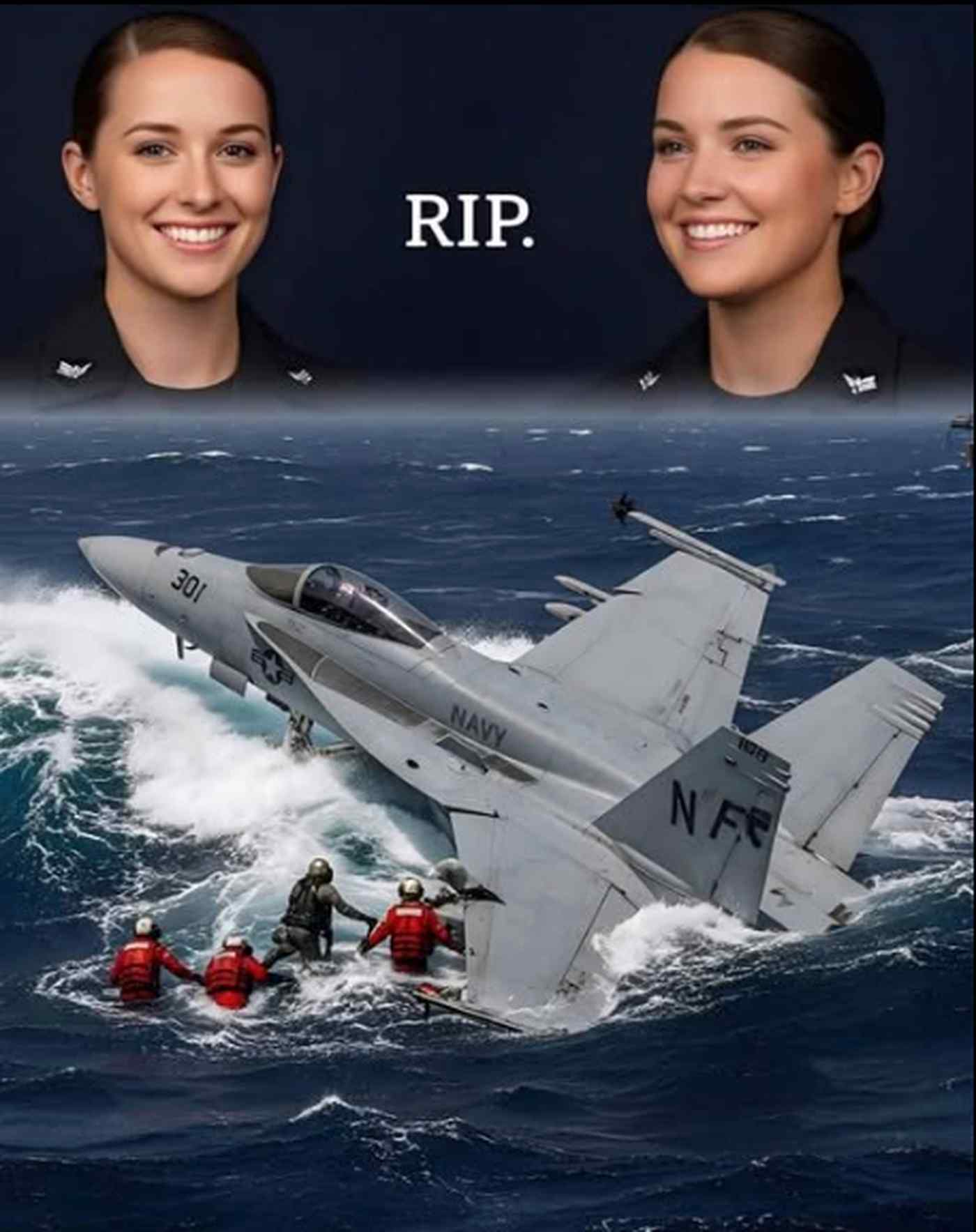
Across California and the broader aviation and military communities, a period of profound reflection has emerged following the tragic loss of two U.S. military aviators during a routine training operation. While official investigations continue and many details remain private, the ripple effects of this loss are already deeply felt—by their families, fellow service members, and civilians who understand the weight and responsibility inherent in military service.
Rather than focusing on technical details of the incident, this article aims to honor the individuals, reflect on the significance of military aviation, and recognize the families and communities profoundly affected by their absence.
The Human Story Behind the Headlines
When news breaks about aviation incidents, headlines often emphasize aircraft models, locations, or technical circumstances. Yet behind each machine are human beings with complex lives—aspirations, relationships, and histories that extend far beyond the cockpit.
Their interest in flight likely began in childhood—watching planes soar overhead, exploring aviation programs, or dreaming of service. That early curiosity developed through education, flight schools, and rigorous training, culminating in careers that demanded technical mastery and steadfast focus.
ADVERTISEMENT
