ADVERTISEMENT
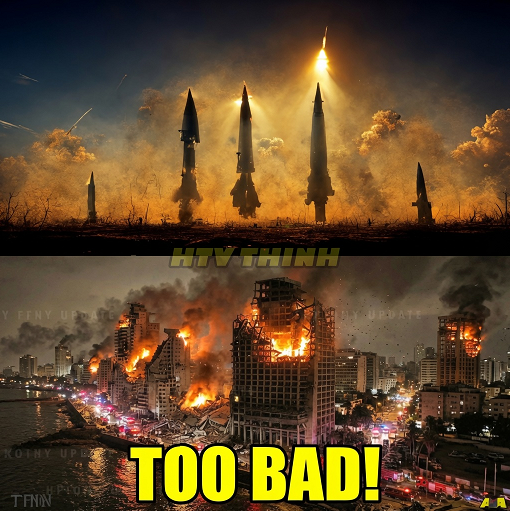
Dramatic missile attack by Iran on Tel Aviv, portraying it as a major escalation in the long-running conflict between Iran and Israel. According to the narrative, the assault began in the early hours of the morning when Iranian forces launched Haj Qasem missiles toward Israeli targets, triggering air raid sirens, explosions, and widespread panic among civilians. Residents rushed to shelters as the city faced one of its most intense security crises in recent memory.
A major focus of the article is the performance of the Iron Dome missile-defense system. While it is widely regarded as one of the most effective air-defense networks in the world, the attack allegedly exposed vulnerabilities when faced with large-scale missile barrages. Analysts cited in the article questioned whether future attacks could overwhelm Israel’s defensive capabilities if the intensity of missile launches continued to increase.
Beyond the military dimension, the article emphasizes the human impact of the conflict. Families were forced into shelters, children experienced fear and trauma, and ordinary civilians found themselves caught in the middle of a geopolitical confrontation. Personal stories, such as parents protecting their children during the attack, illustrate the emotional and psychological toll that repeated violence imposes on communities.
The broader historical context is also explored. The hostility between Iran and Israel has developed over decades, fueled by ideological differences, regional competition, and Iran’s support for groups opposed to Israel. The missile strike is presented as another chapter in this ongoing struggle.
International reactions were mixed. Many governments condemned the attack and urged restraint, while some countries sympathetic to Iran viewed it as a response to previous actions by Israel. These differing perspectives highlighted deep divisions within the international community.
ADVERTISEMENT
