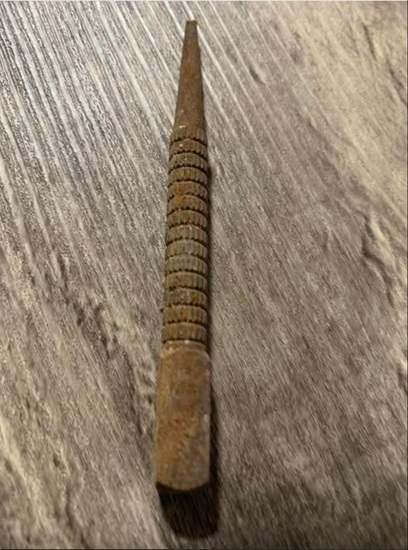
the blunt end with a hammer. This controlled force drives the nail deeper without damaging the surrounding surface. Although it looks basic, it allows carpenters to achieve smooth, professional finishes that would otherwise be difficult to obtain with a hammer alone.
The origins of this tool trace back to early human craftsmanship, where primitive builders needed ways to secure materials neatly and efficiently. In ancient times, early forms of nail-driving techniques involved stones, chisels, or sharpened metal pieces. These early tools were not refined, but they served the same essential purpose: pushing fasteners below the surface of wood to create a cleaner finish. Over time, this concept evolved continue reading …