ADVERTISEMENT
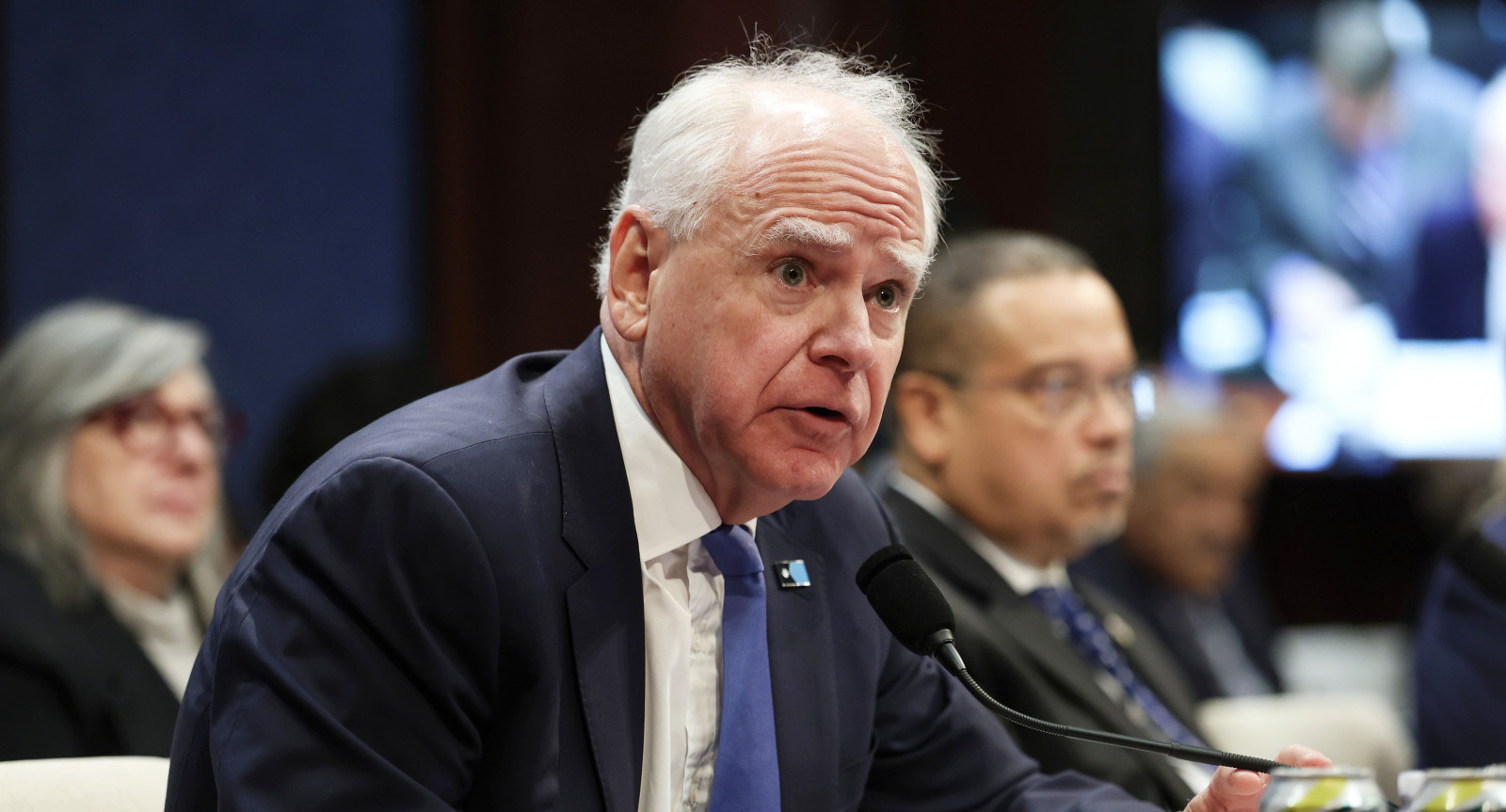
Minnesota Republicans are preparing to pursue impeachment against Gov. Tim Walz and Attorney General Keith Ellison, both Democrats, by introducing two House resolutions accusing the two top statewide Democrats of misconduct related to allegations of fraud and law enforcement controversies.
The Walz resolution states that the governor violated his oath of office in the way he allegedly mismanaged Minnesota’s extensive fraud scandals. It accuses Walz of “violating his constitutional oath to faithfully execute the laws of this state,” as Republicans pointed to several news reports detailing the stolen public funds and the fallout from investigations that exposed a number of state agencies to criticism.
The resolution against Ellison focuses on his handling of immigration enforcement issues and protest activity. It cites his defense of anti-ICE protesters who disrupted a church service in St. Paul, where Ellison argued the federal FACE Act did not apply in that context.
Efforts to pursue similar action are not new. Republicans previously introduced a resolution against Tim Walz in 2021 tied to his COVID-19 emergency powers, but it did not advance while Democrats controlled the legislature. This time around, Republicans still have an uphill climb.
Minnesota law allows for impeachment in cases of “corrupt conduct in office or for crimes and misdemeanors,” but the process requires a majority vote in the state House before advancing to the Senate, where a two-thirds vote is needed for conviction and removal.
As the fraud scandal began to mount late last year, spreading mostly through Minneapolis’s Somali community, Walz dropped his bid for a third term and announced he would be leaving politics altogether. Ellison, meanwhile, is running for a third term, apparently confident that his alleged grifting, light on crime approach, and preference for communism won’t matter to a majority of voters.
Comer argued that Walz and Ellison were aware of significant fraud risks in state-administered federal programs years before acknowledging the scope of the problem publicly.
He further stated that the committee interviewed more than 30 whistleblowers, including current state employees and Democrats, who claimed they were ignored or punished for raising concerns.
“We have spoken with over thirty whistleblowers, many of them current employees and Democrats, who say they were ignored, retaliated against, and even surveilled for raising concerns,” Comer plans to state. “Instead of protecting the whistleblowers, the Walz administration protected the system that enabled fraud.”
This article may contain commentary which reflects the author’s opinion.
ADVERTISEMENT
